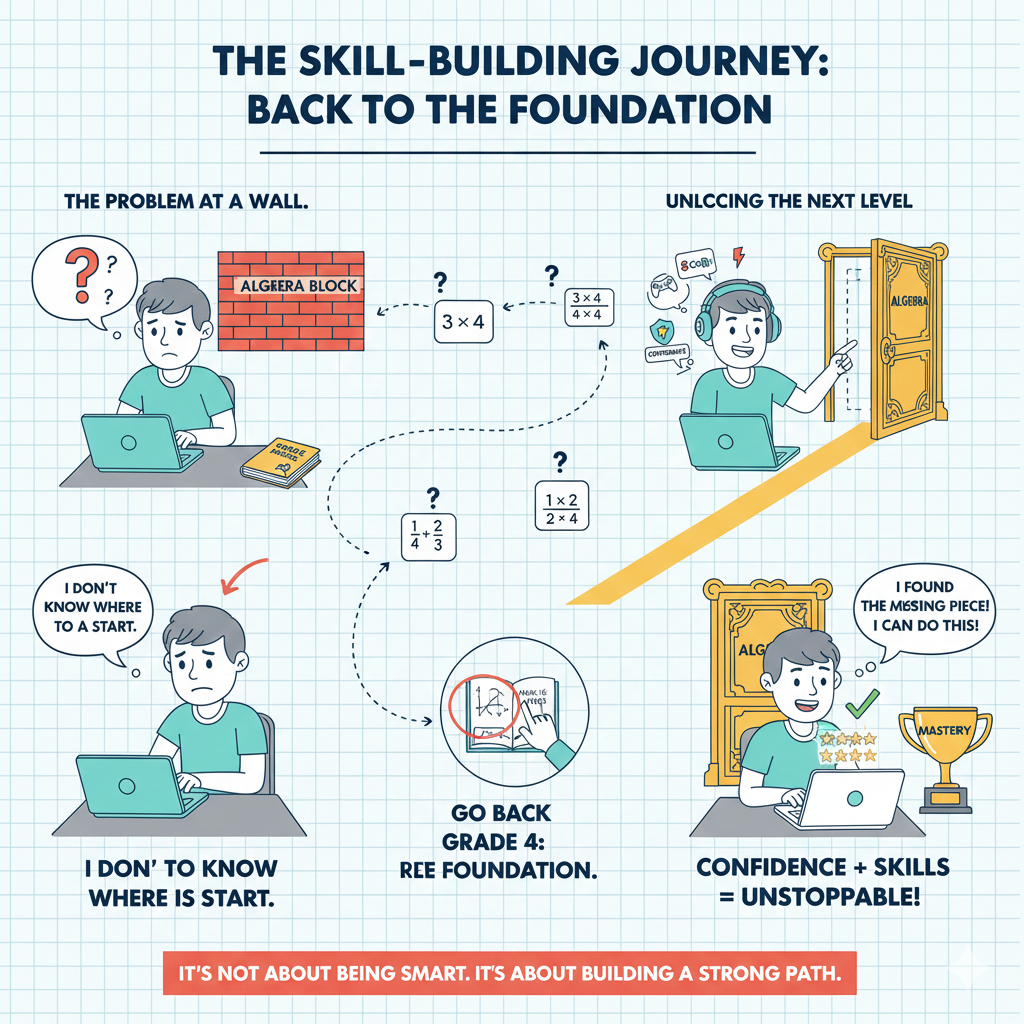
I don’t know where to start.
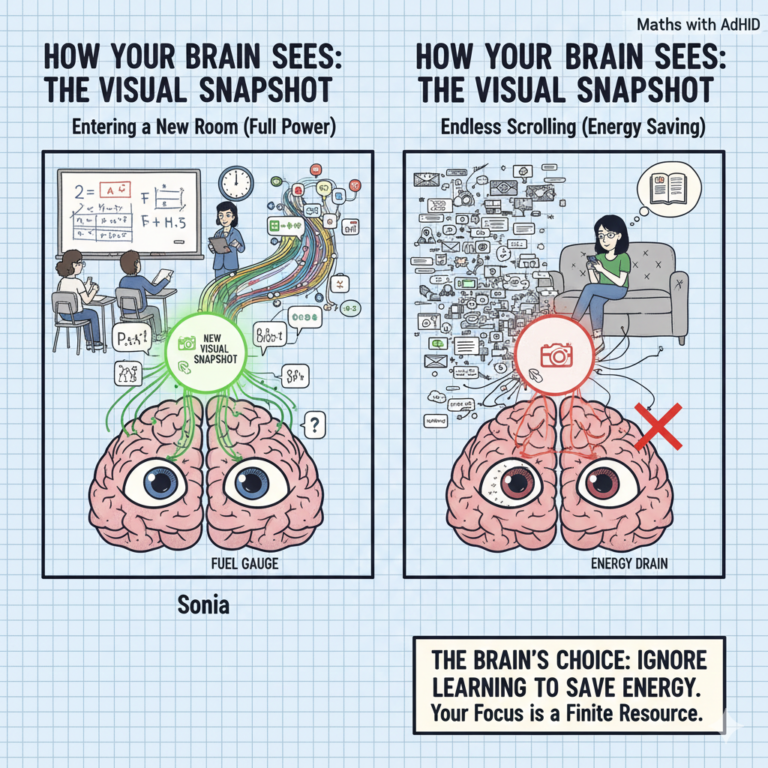
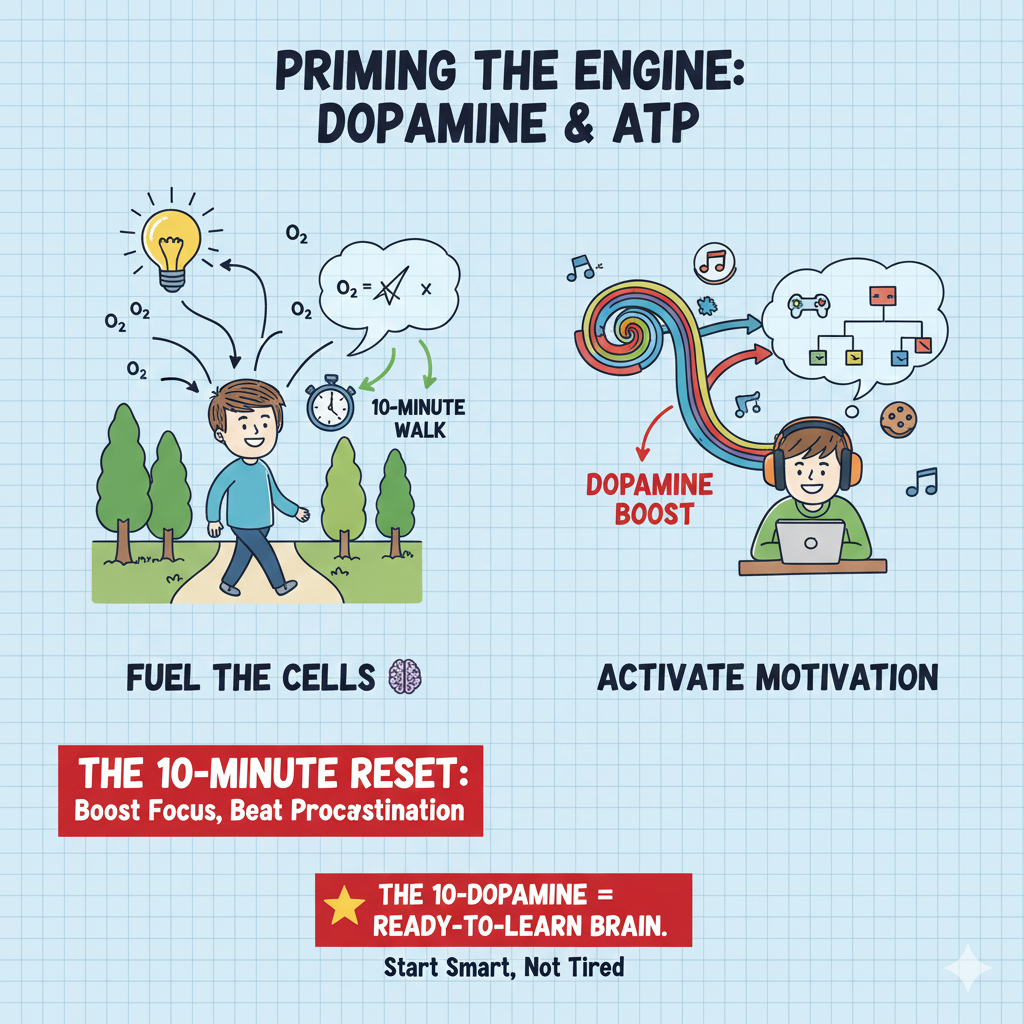
When you feel that intense resistance to starting math, it’s a signal. Your brain is telling you the task is too overwhelming or the expected reward is too low. We combat this with a two-part approach: Confidence Priming (Arithmetic Games) and Foundation Check (Going Back to Grade 4).
Here’s the secret nobody tells you: Most kids get lost because they’re fighting TWO battles at once
1. Understanding the concept
2. Doing the actual calculations in their head
Fix the calculations FIRST → the concepts suddenly make sense.
My hack (that pulled me from 29 % in Year 9 to never seeing below 75 % again): Download a stupidly simple arithmetic game app and play it like it’s Fortnite. 10 minutes a day. I went back to Year 4 level when I was 14. Zero shame.
1. The Essential First Step: Confidence Priming 🕹️
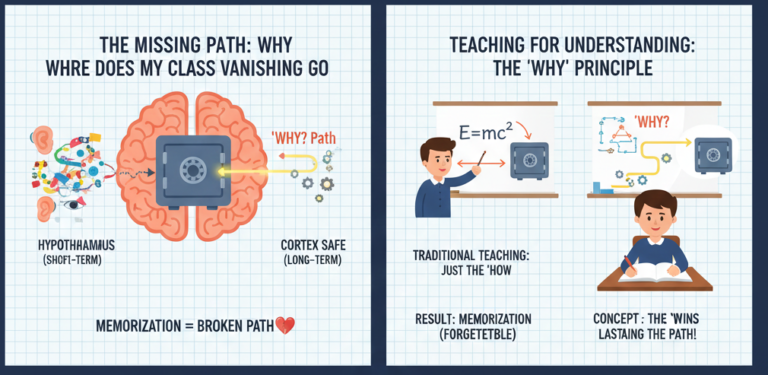
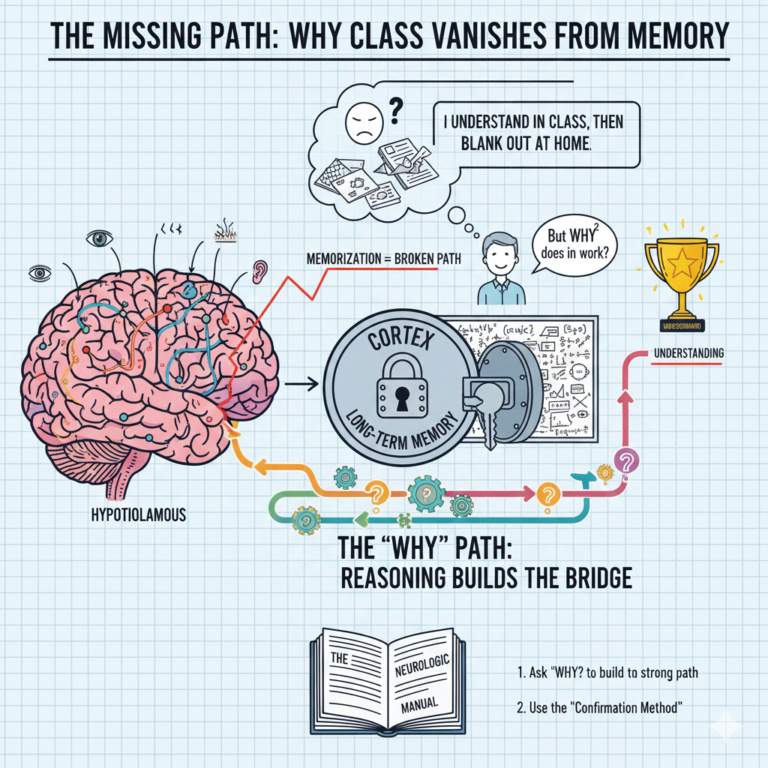
If your calculations are slow, your brain can’t access the concept. Fix the arithmetic load, and the path appears. Before you touch the day’s lesson, you need to build momentum and self-efficacy.
Reason 2: Momentum and Dopamine: Successfully completing a fast calculation exercise gives your brain the necessary dopamine hit and a quick win. This momentum builds confidence, shifting your mindset from “I can’t do this” to “I am already winning.”borum.
The Action: Start with a simple, arithmetic calculation game (app).
Reason 1: Halfway to Algebra (The Skill Bridge): Math concepts, especially in algebra, are split into two major challenges: words (concepts) and numbers (arithmetic). If you struggle with speed and accuracy in basic arithmetic, you get lost in the calculations and miss the algebraic concept entirely. By mastering fast arithmetic, you are already halfway to solving the conceptual problem before you even start!

Why Arithmetic Apps Are the Fastest Fix
You don’t start with the chapter.
You start with speed — because speed builds automaticity, and automaticity frees working memory.
The first win you need is not understanding.
It is momentum.
Reason 1: Fast arithmetic cuts the problem in half
Math has two languages:
- the word language (concepts, rules, patterns)
- the number language (calculations, fluency, operations)
If the number language is slow, the concept language becomes unreadable.
Automaticity in calculation gives you the mental space to actually think.
Reason 2: It shows you exactly where you lose the trail
When you play a calculation-fluency game for just 5–10 days:
- you see which operations you hesitate on
- your brain exposes the gaps immediately
- you no longer misdiagnose the problem (“I don’t understand anything”)
- you finally know where to start
This gives you a direction, not chaos. Direction ends paralysis.
Imagine this:
• Fast mental maths = instant confidence & dopamine
• When 7 × 8 or 50 – 27 stops tripping you up, you suddenly realise “oh, I actually understand half the algebra already”
• You finally know WHERE you’re getting lost – the concept or just the numbers
2. Finding the Missing Link: Go Back to Grade 4 📜
If the current concept is difficult, the root problem is almost always in a missing foundational skill.
The Heroic Action: Literally go back to 4th-grade notes (or whatever grade level the foundational skill was taught). You need to fill the gap. I was there. When got 29% in 9th grade I thought I can’t be that miserable, I am missing out something. During the school break literally began to study from 4th grade! And I started all my classes with foundation of maths and proved that this strategy works. It is not a sign of weakness to review; it is a sign of intelligence to fix the foundation.
The Problem: When you look at an equation and feel lost, your brain is signaling that a crucial step in the process is missing.
The Best Tool: Use your arithmetic practice as a diagnostic tool. If you repeatedly stumble on a calculation, that is the exact spot where the trail went cold.
Your real starting point isn’t this year’s topic.
It’s the topic from four years ago that nobody noticed you missed.
The fastest way forward is backward.
You check the basics the same way a mechanic checks the engine:
- place value
- fractions
- negative numbers
- multiplication fluency
- order of operations
One crack in the foundation distorts the entire structure.
When I found this out myself the year I went back to 4th-grade notes after scoring 29%. That reset didn’t bring me “backward.”
It gave me the foundation that made everything else possible. That self check gave me PhD in maths.
STEP 1: You Have the Brain. Now Get the Manual.
Stop trying to force a square peg into a round hole. You now understand why your brain struggled before. It’s time to build your personal, step-by-step system for math mastery.
STEP 2: Build Your Complete System
Enroll in the Student Success Toolkit. Get all the video lessons, study planners, and biological deep dives you need to master concepts from algebra to calculus.
Remember: You were never the problem. Lack of the right guidance was. Let’s start the journey to seeing yourself as the capable mathematician you truly are.
I don’t know where to start studying, ADHD don’t know where to start learning, why I feel stuck before studying, ADHD paralysis not knowing where to begin, I want to study but don’t know where to start, executive dysfunction starting studying ADHD, why starting feels overwhelming ADHD, ADHD brain stuck at beginning of tasks, can’t decide where to start studying, ADHD overwhelm before studying, why I freeze before starting homework, ADHD difficulty initiating studying, I know I need to study but can’t start, ADHD mental block before studying, why starting studying is the hardest part, ADHD task initiation problems studying, feeling lost when trying to study ADHD, can’t organize studying where to start, ADHD brain needs a starting point, why studying feels impossible at the start