If you are on this page, you are a teacher who wants to change the world. You understand that the biggest tragedy in the classroom is misunderstanding a brilliant mind. You are the jewelery maker, and right now, you are the most important person in some student’s life. We are here to help you bring those diamonds out of the rough.

  • 1. The Core Problem: The Failure of Classical Math Education

    The classical model of math education is broken for students with neurodivergent brains because it fails to account for three realities: time, energy, and foundation.
    The Inefficiency Trap: You don’t have enough time to spend on every student’s individual needs. Teaching a single formula by rote (memorization) forces advanced students to wait and leaves struggling students with no structural understanding.
    The Imbalance: Giving complex, conceptual problems as homework creates a massive imbalance. Students who struggled in class are left paralyzed at home, while the strong students practice what they already know.
    The Goal: Our mission is to shift math education from memorization to conceptual mastery and energy management.
  • Shift 2: Priming the Brain for Success

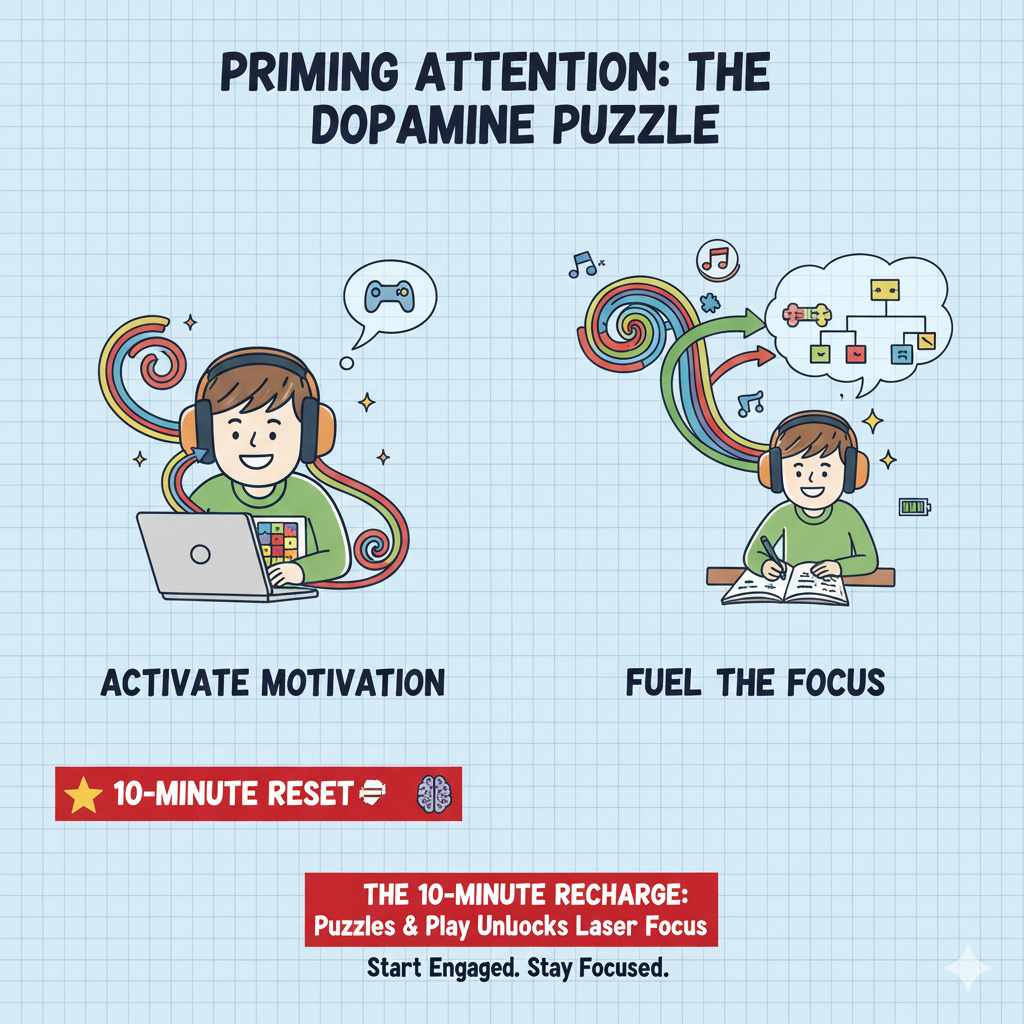
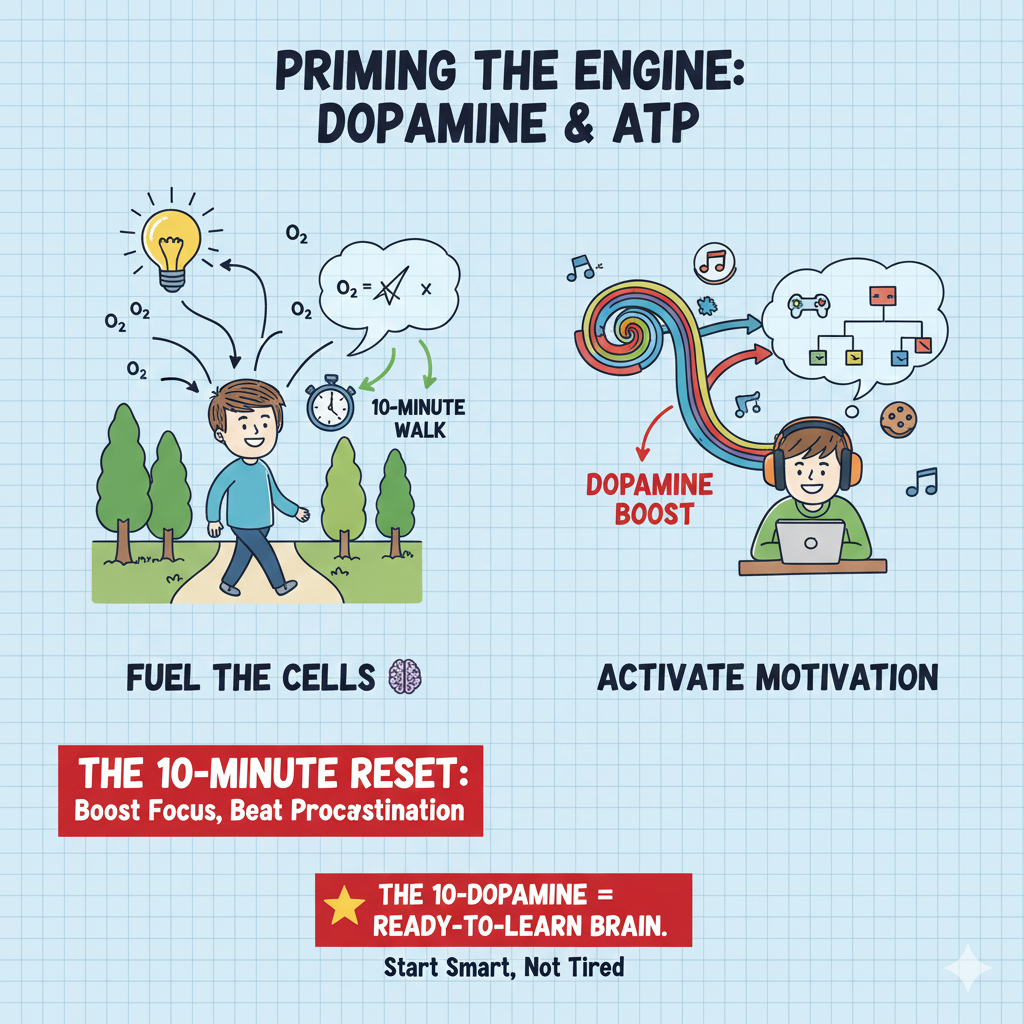
    Movement: Start the class with simple, coordinated movement (e.g., quick stretching, shoulder rolls).
    Dopamine Priming: Use a quick no-pen arithmetic competition or a level-appropriate puzzle question.
    Relaxation & Oxygen: Reduces immediate stress and anxiety, boosting oxygen flow (ATP) to the cortex.
    Hydration: Optimal cell function; helps the Hypothalamus (which regulates water) stay focused.
    Motivation: Triggers the dopamine reward system, making the brain more receptive to the upcoming “hard” work.
  • Shift 1: Equal Start, Conceptual Mastery

    The Action: Solve the Most Difficult Questions in Class. Never give the hardest problems as homework.
    The Technique: Instead of just finding the answer, use the Result-First Method: Put the correct result in the equation and explain step-by-step why that result solves the problem.
    The Benefit: Every student begins from an equal starting line—not knowing the answer—but leaves knowing the structural why behind the concept. This ensures students who missed a previous step know exactly where to begin practicing the foundation at home.
  • Your job is not to sort students into ‘good at maths’ and ‘bad at maths’. Your job is to change the conditions so more brains can light up.

    Maths with ADHD gives you research-informed, classroom-tested ways to do that inside the timetable you actually have. Short, focused guides. Ready-to-use activities. No toxic positivity, no extra marking piles—just different ways to reach the same syllabus.

Build Lessons That Match How Brains Actually Learn

Design the Flow Around Brain Waves

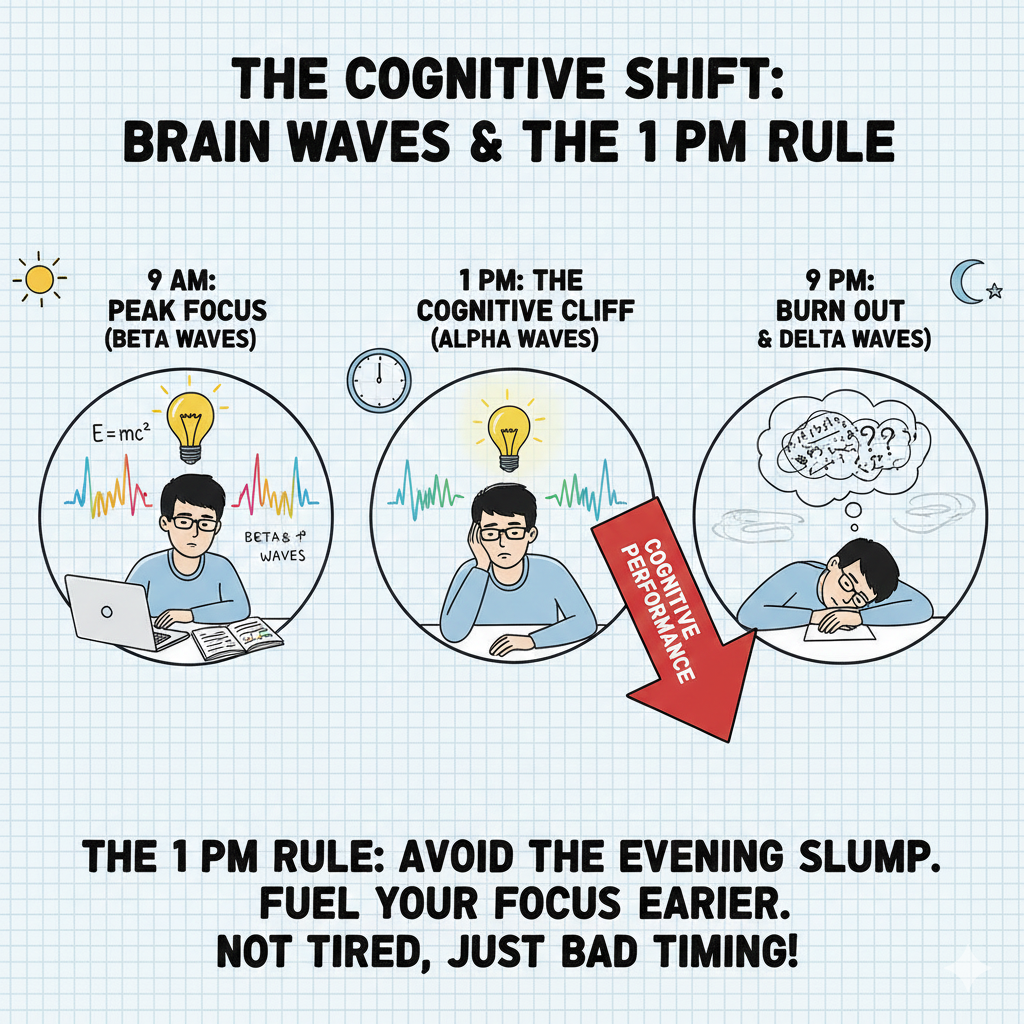
Plan new topics for when attention is naturally sharper, chunk explanations into short bursts, and use specific audio, visuals and micro-breaks to bring beta-level focus back when it starts to drift.


Teach Reasoning, Not Just Recipes

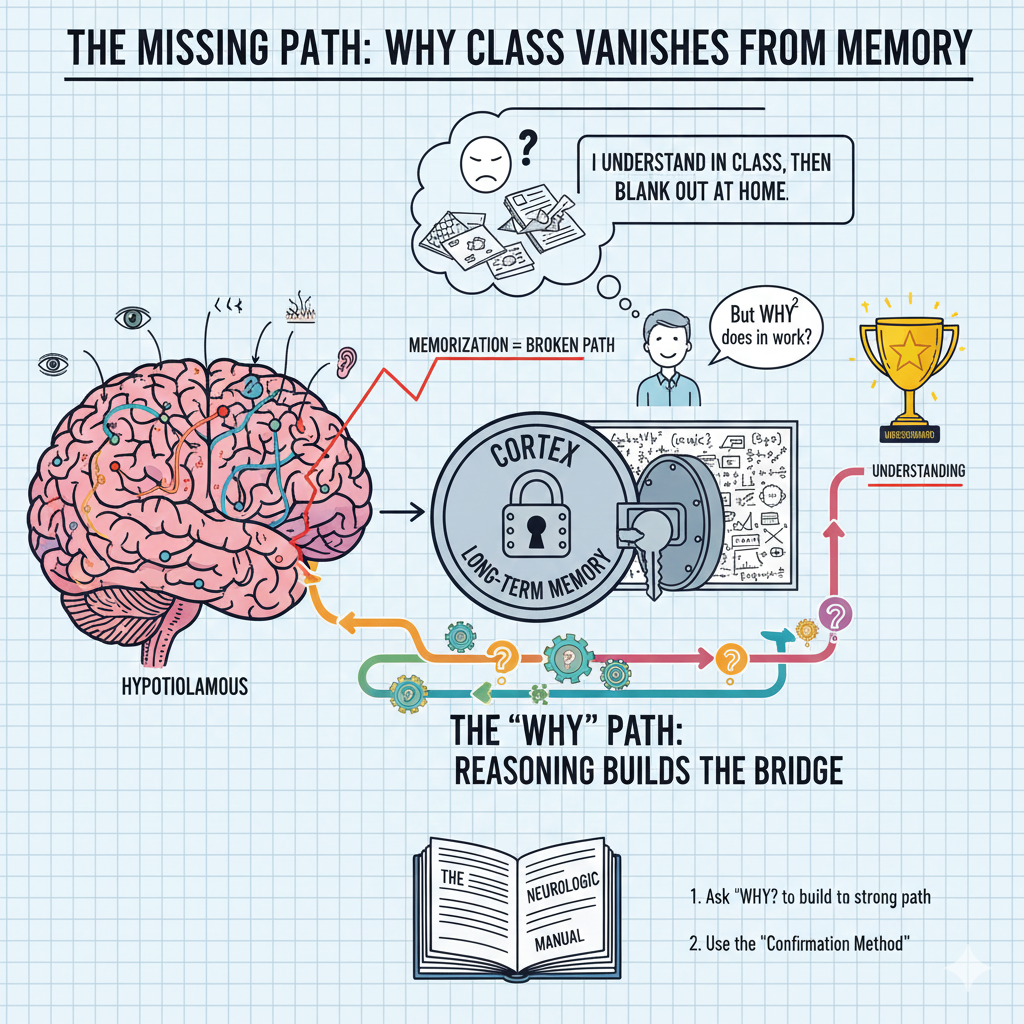
Swap “copy the formula” teaching for worked examples, pattern-spotting and step-by-step verbalisation. Show students how to move from intuition to method so they stop understanding in class and blanking at home.

See the Neurodivergent Student Clearly

Separate “won’t do” from “can’t do”. Learn the classroom signs of ADHD and dyscalculia, when to adjust pacing, when to change the representation of a problem, and when a student needs a different route entirely.


  • Time Management:

    If your class is in the afternoon (past 1:00 PM), treat it as a Practice Session. Do not introduce fundamentally new concepts when students’ natural brain waves are shifting to a lower, less-alert frequency.
  • Real-Life Application Groups:

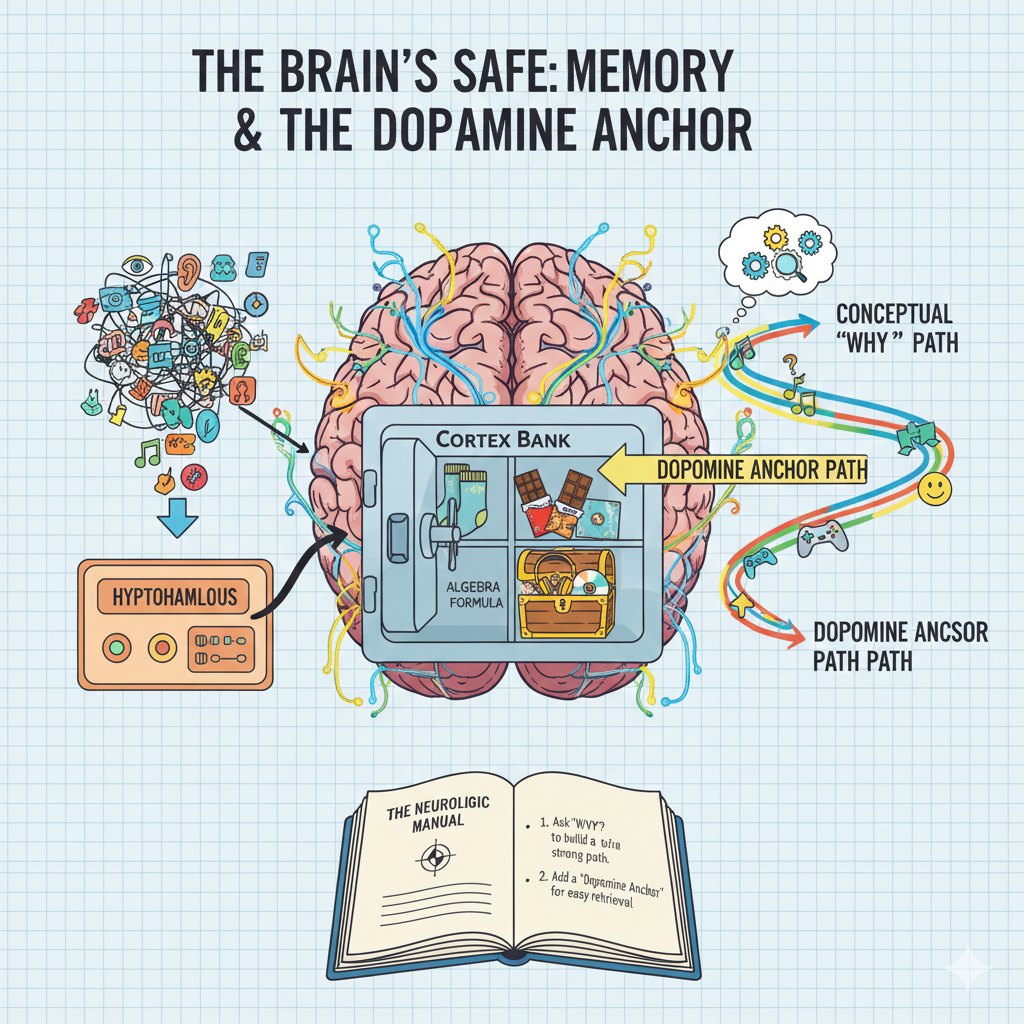
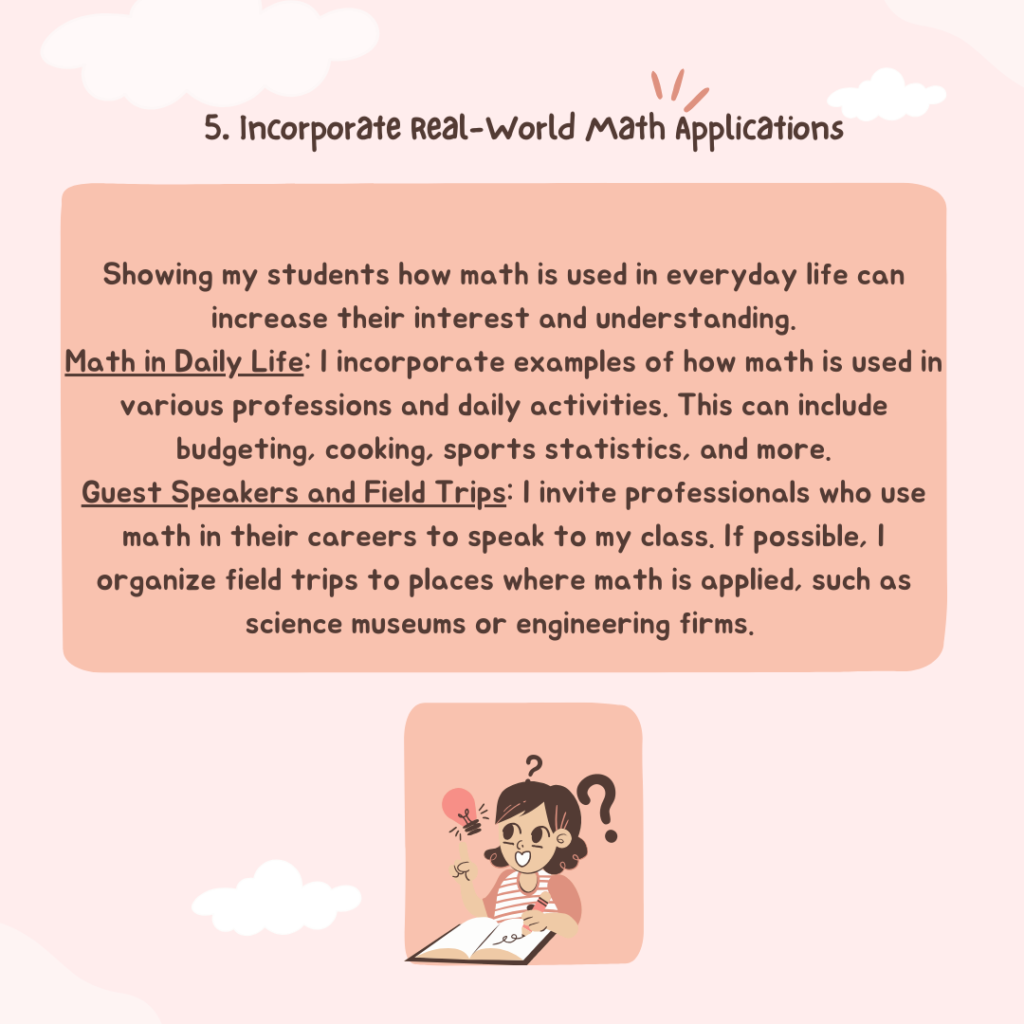
    Divide the class into groups and assign a task to find real-life examples where the current math topic is used. This connects the abstract to their world, strengthening the Memory Path (the “Why” association).
  • Spotting Dyscalculia:

    Be aware of students who demonstrate foundational math difficulties beyond typical ADHD issues (e.g., struggling with number sense, counting, or reading symbols). Your focused approach can help spot and address these needs early.

From “Problem Student” to Hidden Diamond

What You Will Learn to Do Differently

If you are on this page, you already suspect it: the “difficult” student in the back row might be the sharpest mind in the room. They do not need louder discipline or more worksheets. They need a different entry point into the maths itself.
This space gives you concrete, classroom-ready ways to reach the ADHD, autistic and anxious students who think maths has already rejected them—without losing your high-flyers or burning yourself out.

  • Open lessons with movement, water and a low-stakes puzzle so nervous systems calm before any new content.
  • Use the hardest questions in class, with you, and send home only the easy practice so every student sees the full reasoning at least once.
  • Lead with why a method works, then attach the formula—so knowledge moves from “it made sense once” to an actual neural path.
  • Put the answer in first and walk the class backwards through the problem, modelling how real mathematicians debug their thinking.
  • Turn mixed-ability groups into an asset: structured roles so advanced students verbalise reasoning while others anchor steps and checks.
  • Use morning lessons for new concepts and reserve late-day periods for practice, retrieval and low-pressure consolidation.
Start the Course

Join the Neuro-Pedagogy Revolution Newsletter

Your Impact Is Critical. Don’t Go It Alone.

You are already doing the hardest job in education. Now, let us equip you with the Neuroscience of Math Learning framework. Get access to specialist training, advanced techniques, and a community dedicated to bringing out the genius in every neurodivergent student.

Download the Free Classroom Priming Guide

Get the manual school never gave you.

Science-backed strategies for learning maths with an ADHD brain — for students and parents.

We don’t spam! Read our privacy policy for more info.